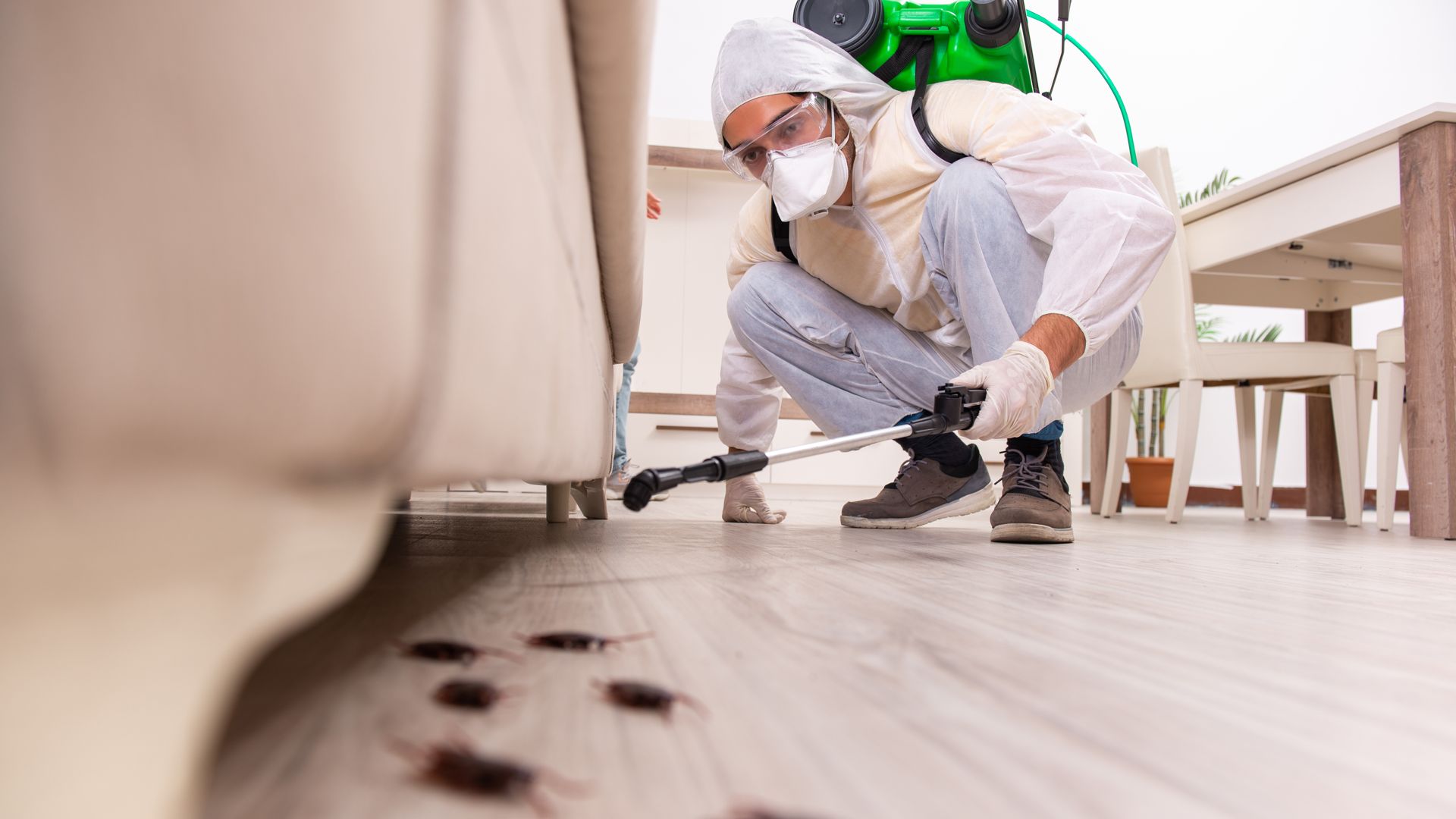
When a pest control company tells you your home needs fumigation, most homeowners don’t ask “will it work?” They ask “what do I have to do?” That anxiety is understandable, and in most cases the preparation is far more manageable than people expect. The key is working through the right steps in the right order, not scrambling the night before the tent goes up.
We’ve been helping San Mateo homeowners through this process for over 17 years, and one thing we’ve learned is that most of the stress comes from not knowing what’s actually required versus what people assume is required. Some steps are mandatory under California regulation. Others are optional or outright unnecessary. Knowing the difference saves you time, effort, and a lot of misplaced worry.
This guide walks through preparation the way we walk our own clients through it: logically, specifically, and with honest clarity about what you can skip.
Why Fumigation Requires Homeowner Preparation
Structural fumigation works by filling the entire enclosed structure with a gas (typically Vikane, or sulfuryl fluoride) that penetrates wood, walls, and every enclosed space inside the building. That thoroughness is what makes it effective against drywood termites and other pests hiding deep inside structural members. But that same penetrating quality is why preparation matters: the treatment has to circulate freely, and re-entry can only happen once the fumigant has cleared to a safe level.
Drywood termites are the most common reason San Mateo homeowners reach this point. They’re active throughout San Mateo County, with swarmer season typically running from August through October. Older wood-frame homes are especially vulnerable because drywood termites don’t need soil contact or moisture to establish a colony. Fumigation is also used for severe bed bug infestations when localized treatments haven’t resolved the problem, so the guidance here applies to both situations.
Some preparation steps in California are required by regulation, not just recommended. Skipping them can cause your fumigation to be postponed, which means arranging alternative accommodations all over again. Understanding which steps are mandatory helps you prioritize correctly.
Arrange Accommodations & Notify the Right People
Everyone leaves the property for the duration of the fumigation: all people, pets including fish, reptiles, and birds, and all houseplants. The minimum absence is typically 2 nights and 3 days, though your fumigator will confirm the exact timeline based on your home’s size and construction. Book accommodations before you lock in the fumigation date so you’re not scrambling afterward.
The step most homeowners don’t anticipate is the PG&E gas shutoff. Natural gas service must be shut off before fumigation begins, and only PG&E or its certified contractors may operate the shutoff valve. Contact PG&E at least 2 business days before the fumigation date to schedule this. Don’t leave it until the week of service. PG&E scheduling can book up, and a missed gas shutoff appointment can delay the entire job.
One more notification worth making: let neighbors with outdoor cats know the tent is going up. Vikane is odorless, and while fumigators use a warning agent called chloropicrin alongside it, cats may not respond to it the way people or dogs do. A quick heads-up keeps everyone’s pets safe.
Food, Medications, & Consumables
This is where preparation anxiety tends to peak, and also where the rules are most specific. Any food, pet food, medication, vitamins, or tobacco products not in an original, airtight, factory-sealed container must be either double-bagged in Nylofume fumigation bags or removed from the home entirely. Nylofume bags are designed to prevent fumigant penetration; regular plastic bags, zip-lock bags, and grocery bags aren’t an acceptable substitute.
Items in factory-sealed glass, metal, or rigid hard plastic containers with their original intact seals (canned goods, sealed wine bottles, factory-sealed condiment jars) don’t need to be bagged or removed. The original manufacturer’s seal is what matters, not the container material alone.
One practical tip: don’t restock your pantry right before the service date. The less food in the home, the fewer Nylofume bags you’ll need to fill. Refrigerated and frozen items can typically remain in their appliances if double-bagged in Nylofume bags, but confirm this with your fumigator since it may depend on the specific treatment being used.
Interior & Exterior Preparation
The goal inside is to give the fumigant an unobstructed path to every corner of the structure. Open all interior doors, closet doors, cabinet doors, drawers, attic hatches, and crawlspace access panels before you leave. Any locked or inaccessible space forces the fumigator to either postpone service or flag an incomplete treatment zone. Remove plastic mattress covers and waterproof protectors as well. Sealed plastic traps fumigant gas and prevents proper aeration during the clearance period. Your regular mattress and bedding can stay exactly where they are.
Outside, a few physical steps help the tent seal properly against the foundation:
- Trim vegetation: Cut back shrubs, vines, and tree branches to at least 12 inches from all exterior walls so the tent can lay flat against the structure.
- Clear the perimeter: Move potted plants, patio furniture, grills, and vehicles away from the house.
- Water the soil: Soak the ground around the foundation outward about 18 inches the evening before the tent goes up; moist soil creates a better seal and helps prevent the fumigant from escaping at the base.
- Turn off automatic systems: Disable sprinklers, A/C timers, and any other automated systems that could interfere with the tent or the treatment.
What You Don’t Need to Do
Because Vikane is a true gas that dissipates completely during aeration and clearance, it doesn’t leave a residue on surfaces. Dishes, silverware, glassware, countertops, clothing, and linens don’t need to be washed or laundered before or after the treatment. Electronics, furniture, books, and most personal belongings can stay in place. The fumigant doesn’t coat or penetrate non-porous surfaces, so your television, laptop, and upholstered furniture don’t require any handling or removal.
Deep cleaning before fumigation is the single most common thing homeowners do that they don’t need to do. If you feel the urge to scrub your kitchen down before the tent goes up, redirect that energy toward food bagging. That’s where your time is actually well spent.
Returning Home After Fumigation
Re-entry isn’t simply a matter of the tent coming down. Before anyone enters, a licensed fumigator must use calibrated clearance meters to confirm the fumigant concentration inside has dropped below 1 part per million, which is the EPA’s established safe threshold for sulfuryl fluoride. Only after that reading passes does the fumigator post the Notice of Re-entry at the property, which is the official signal that re-entry is authorized.
The Notice of Re-entry also triggers PG&E gas restoration. PG&E requires that the notice be physically posted before they’ll dispatch a technician to restore service. Schedule your gas restoration appointment for late morning or mid-afternoon on re-entry day to give the clearance process enough time to complete first. Scheduling it for first thing in the morning often leads to delays.
When you return, a few quick steps get the home back to normal:
- Turn on the refrigerator and freezer immediately.
- Open windows for additional airflow.
- Re-enable any automatic systems you disabled before the tent went up.
After that, the home is yours again.
Preparation Done Right Makes the Difference
Fumigation goes smoothly when preparation is thorough and sequenced correctly. The homeowners who feel most at ease on service day are the ones who handled the PG&E scheduling early, kept their pantry light in the days before, and knew in advance what they didn’t need to do. That last part matters as much as the checklist itself.
At Pacific Pest Management, we walk San Mateo homeowners through every one of these steps before the service date so nothing gets missed and no surprises are waiting when the tent comes down. If you’re preparing for fumigation or want to understand your options, reach out to us at (888) 506-3122.